I Know Thou Art With Me Wherever I Go Lyrics
Writer: William Williams
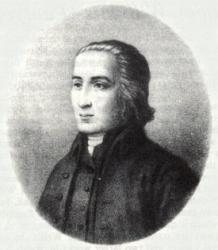 William Williams, called the "Watts of Wales," was born in 1717, at Cefn-y-coed, well-nigh Llandovery, Carmarthenshire. He originally studied medicine, but abandoned it for theology. He was ordained Deacon in the Church of England, just was refused Priest's Orders, and afterward attached himself to the Calvinistic Methodists. For one-half a century he travelled in Wales, preaching the Gospel. He died in 1791. Williams composed his hymns chiefly in the Welsh language; they are still largely used by various religious bodies in the principality. Many of his hymns take appeared in English, and have been collected and published past Sedgwick. His 2 principal poetical works are "Hosannah to the Son of David," and "Gloria in Excelsis." --Annotati… Go to person page >
Translator: Peter Williams
Peter Williams (b. Llansadurnin, Carmarthanshire, Wales, 1722; d. Llandyfeilog, Wales, 1796) was converted to Christianity by the preaching of George Whitefield and was ordained in the Church of England in 1744. His evangelical convictions presently fabricated him suspect, however, and he left the state church to join the Calvinist Methodists in 1746. He served as an afoot preacher for many years and was a primary figure in the Welsh revival of the eighteenth century. After beingness expelled by the Methodists in 1791 on a accuse of heresy, he ministered in his own chapel during the final years of his life. He published the first Welsh Bible commentary (1767-1770) and a Bible concordance (1773); he was also i of the annotators for John Canne'southward Welsh… Go to person page >
Timeline
Arrangements
- Store
Piano/Organ
|  |
Choral
|  |
Instrumental
|  |
Handbells
|  |
PowerPoint
|  |
Page Scans
Instances
Instances (1 - 94 of 94)
A Educational activity Hymnal #146
Display Title: Guide Me, O 1000 Slap-up Jehovah First Line: Guide me, O thou slap-up Jehovah Melody Title: CWM RHONDDA Author: Peter Williams; William Williams, 1717-1791 Appointment: 2018 Subject: Christian Promise |
A Instruction Hymnal #146
Ambassador Hymnal #445
Brandish Championship: Guide Me, O G Nifty Jehovah First Line: Guide me, O Yard smashing Jehovah Tune Title: CWM RHONDDA Author: Peter Williams, 1722-1796; William Williams, 1717-1791 Meter: 87 87 87 7 Date: 1994 Subject: God, Our Male parent | ; Guidance |
Ambassador Hymnal #445

Ancient and Modern #652
Brandish Title: Guide me, O chiliad smashing Redeemer Start Line: Guide me, O thou great Redeemer Tune Championship: CWM RHONDDA Author: Peter Williams (1727-1796); William Williams (1717-1791) Meter: 87 87 47 Scripture: Exodus 16:1-4; Numbers ix:fifteen-23; Joshua 3 Date: 2013 Subject: Children and All-Historic period Worship | ; Expiry and Bereavement | ; Guidance | ; Pilgrimage | ; Proper 12 | Year B; Proper 13 | Year A; Proper 20 | Year A; Stages of Life | ; The Tertiary Sunday of Lent | Year A; Water |
Ancient and Modern #652


Baptist Hymnal 1991 #56
Display Title: Guide Me, O Thou Great Jehovah First Line: Guide me, O M groovy Jehovah Melody Title: CWM RHONDDA Writer: William Williams Meter: 8.7.eight.7.8.7.7. Scripture: Isaiah 58:11 Date: 1991
Baptist Hymnal 1991 #56
Baptist Hymnal 2008 #82
Display Title: Guide Me, O Thou Dandy Jehovah First Line: Guide me, O G groovy Jehovah Tune Title: CWM RHONDDA Writer: Peter Williams; William Williams Meter: eight.seven.viii.seven.eight.vii.7. Date: 2008 Subject: Attributes of God |
Baptist Hymnal 2008 #82
Celebrating Grace Hymnal #33
Display Title: Guide Me, O M Great Jehovah First Line: Guide me, O Thou great Jehovah Tune Championship: CWM RHONDDA Author: Peter Williams; William Williams Meter: 8.seven.8.7.8.7. Scripture: Exodus thirteen:21-22; Exodus sixteen:11-17; Exodus 17:ane-7 Engagement: 2010 Subject: God the Father | Revealer; God-Providence | ; Guidance |
Celebrating Grace Hymnal #33
Beaker Hymnal #622
Display Title: Guide Me, O Thou Bully Jehovah Offset Line: Guide me, O thou not bad Jehovah Tune Title: CWM RHONDDA Author: Peter Williams; William Williams Meter: 87.87.877 Engagement: 1995 Subject: Conflict | ; Funerals and Memorial Services | ; God: Power | ; God'southward Church | Life of Discipleship: Conflict and Perseverance; Guidance | ; Perseverance | ; Recessional Hymns |
Chalice Hymnal #622
Christian Science Hymnal #488
Display Championship: Guide Me, O Thou Great Jehovah Beginning Line: Guide me, O Thou great Jehovah Melody Title: CWM RHONDDA Author: Peter Williams; William Williams Scripture: Exodus 13:21; Exodus 16:iv; Exodus 17:6; Nehemiah 9:15; Nehemiah 9:19; Psalm 78:fourteen; Psalm 78:16; Psalm 78:24; John 6:33; John half dozen:58 Date: 2017
Christian Science Hymnal #488
Christian Worship #331
Brandish Title: Guide Me, O Thou Dandy Jehovah First Line: Guide me, O thou great Jehovah Tune Title: GUIDE ME Writer: Peter Williams, 1722-96; William Williams 1717-91 Meter: 87 87 47 Date: 1993 Subject: Shut of Service |
Christian Worship #331
Christian Worship #923
Display Title: Guide Me, O Thou Groovy Jehovah Kickoff Line: Guide me, O thou great Jehovah Melody Title: CWM RHONDDA Author: Peter Williams, 1722-1796; William Williams, 1717-1791 Meter: 87 87 877 Scripture: Exodus 13:21-22; Exodus fifteen:13; Exodus 17:1-vii; Joshua iv:20-24; John 6:30-51; Hebrews 2:14-15 Date: 2021 Subject: Close of Service |
Christian Worship #923
Church Hymnary (4th ed.) #167
Display Title: Guide me, O yard great Jehovah First Line: Guide me, O thou great Jehovah Tune Title: CWM RHONDDA Author: Peter Williams (1722-1796); William Williams (1717-1791) Meter: 87 87 87 (7) Scripture: Exodus 13:21-22; Exodus 16:xv; Exodus 17:6; Numbers 20:xi; Joshua three:vii-17; Nehemiah 9:19-21; Psalm 28:seven; Psalm 48:14; Psalm 99:7; Psalm 105:37-43; Isaiah 48:21; John 6:32; Revelation 22:i Date: 2005 Subject field: Death and Bereavement | ; Heaven | ; Jesus | Names and images for; Pilgrimage | ; Providence | ; The Activity of God | God in human experience; The Church Celebrates | Decease and Grieving
Church Hymnary (4th ed.) #167
Mutual Praise (1998) #565
Display Title: Guide Me, O 1000 Dandy Jehovah First Line: Guide me, O thou smashing Jehovah Tune Title: CWM RHONDDA Author: Peter William, 1723-1796; William Williams, 1717-1791 Meter: 87 87 87 with echo Scripture: Exodus thirteen:17-22; Exodus xiv:10-31; Exodus 16:2-fifteen; Joshua 3:7-17; Psalm 5; Psalm 18; Psalm 36:5-12; Psalm 54; Jeremiah 17:7-8; Zechariah 12:10 - 13:one; Matthew fourteen:thirteen-33; Luke 21:5-xix; John 6:25-35; Revelation 22:ane-21 Date: 1998 Subject: Bread | ; Eucharist | ; Exodus | ; Funeral | ; Guidance | ; Healing | ; Trust |
Common Praise (1998) #565
Mutual Praise #455
Brandish Title: Guide me, O thou swell Redeemer First Line: Guide me, O yard great Redeemer Tune Title: CWM RHONDDA Author: Peter Williams; William Williams; William Williams, 1717-1791 Meter: 87 87 47 Scripture: Exodus 13:21-22; Exodus 17:five-6; Exodus 40:34-38; Numbers 20:9-11; Joshua 3:xiv-17; two Samuel 22:two-3; Nehemiah nine:xv; Psalm xix:14; Psalm 105:40; Psalm 114:8; Psalm 140:7; Proverbs 15:11; Proverbs 23:11; Jeremiah 50:34; Zechariah 13:1; John 6:32-33 Date: 2000 Field of study: Lent III | Year A; Proper 13 | Year A
Common Praise #455
Complete Anglican Hymns Former and New #252
Display Title: Guide me, O g great Redeemer First Line: Guide me, O k great Redeemer Tune Title: CWM RHONDDA Writer: Peter Williams, 1727-1796; William Williams, 1717-1791 Meter: 87 87 47 Scripture: Exodus 13:21; Exodus sixteen:5; Joshua 3:7; Psalm 28:seven; Psalm 78:24-25; Psalm 95:2; Psalm 105:forty; John 6:31-32; Revelation 20:14; Revelation 22:1-four Appointment: 2000 Subject area: The Journey of Life | ; The Suffering Community | ; Year A | Christ the King; Year A | Proper twenty; Year B | Proper 13; Year C | Easter 6
Complete Anglican Hymns One-time and New #252
Complete Mission Praise #201
Display Title: Guide me, O grand great Jehovah Showtime Line: Guide me, O K great Jehovah Tune Championship: CWM RHONDDA Author: William Williams, 1717-91 Meter: 87 87 47 extended Date: 1999 Subject: Living the Christian Life | Guidance; Living the Christian Life | Heaven and Victory over Death; The Church of Jesus Christ | Bereavement and Funerals; Travelling, Departing and Afar Friends |
Consummate Mission Praise #201
Evangelical Lutheran Worship #618
Brandish Championship: Guide Me Ever, Neat Redeemer First Line: Guide me ever, great Redeemer Tune Championship: CWM RHONDDA Author: Peter Williams, 1722-1796; William Williams, 1717-1791 Meter: 8 7 8 seven 8 7 7 Engagement: 2006 Field of study: Promise, Assurance | ; Journey, Pilgrimage | ; Lent |
Evangelical Lutheran Worship #618


Celebrity to God #65
Display Title: Guide Me, O M Great Jehovah First Line: Guide me, O m great Jehovah Tune Title: CWM RHONDDA Author: Peter Williams; William Williams Meter: 8.7.8.seven.viii.7.7 Scripture: Exodus 13:21-22; Exodus 14:26-31; Exodus 16:4-18; Exodus 17:6; Exodus twoscore:38; Numbers xx:eight-11; Deuteronomy one:33; Joshua 6:20; Nehemiah 9:19-xx; Psalm 18:ii; Psalm 28:7; Psalm 34:1-4; Psalm 78:fifteen-xvi; Psalm 78:52; Psalm 139:x; Zechariah thirteen:1; John 4:14; John six:35-9; John 6:48-51; i Corinthians 10:1-four; Hebrews 11:thirteen-xiv; 1 Peter 2:11; Revelation 7:9-17; Revelation 22:1-2 Date: 2013 Subject field: Death | ; Dying in Christ | ; Funeral | ; God's Covenant with State of israel | ; Guidance | ; Healing | ; Living in Christ |
Celebrity to God #65
Hymnal #582
Brandish Title: Guide me, O thou great Jehovah Start Line: Guide me, O thou great Jehovah Tune Title: CWM RHONDDA Author: Peter Williams; William Williams Date: 1992 Source: Arglwydd arwain trwy'r anialwch, Aleluia, 1745; Hymns on Diverse Subjects, 1771
Hymnal #582
Hymns for a Pilgrim People #432
Brandish Championship: Guide Me, O Thou Great Jehovah Start Line: Guide me, O Thou dandy Jehovah Tune Championship: CWM RHONDDA Writer: Peter Williams, 1722-1796; William Williams, 1717-1791 Meter: 8.7.8.vii.8.7.seven Scripture: Isaiah 58:11 Date: 2007 Subject: Shut of Worship / Sending Forth | ; Encouragement | ; Guidance | ; New Yr | ; Pilgrim / Pilgrimage | ; Providence | ; Provision and Deliverance |
Hymns for a Pilgrim People #432
Hymns for Today'due south Church building (2d ed.) #528a
Display Title: Guide me, O my dandy Redeemer First Line: Guide me, O my keen Redeemer Melody Title: CWM RHONDDA Author: P. Williams (1721-1796); Westward. Williams (1717-1791) Meter: 8 7 eight 7 iv vii extended Date: 1987 Subject: Easter 1 | The Bread of Life; God'due south Church | Conflict and Endurance; Lent 2, The King and the Kingdom | Conflict; Pentecost xiii | The Suffering Customs; Pentecost 20 | Endurance; Pentecost ix | The Whole Armour of God; The Hope of Redemption | Moses; The Remnant of Israel | Source: Suit.: and others
Hymns for Today's Church building (2nd ed.) #528a
Hymns for Today's Church (2nd ed.) #528b
Display Title: Guide me, O my slap-up Redeemer First Line: Guide me, O my peachy Redeemer Tune Championship: BRYN CALFARIA Writer: P. Williams (1721-1796); Due west. Williams (1717-1791) Meter: 8 7 viii vii 4 7 extended Date: 1987 Discipline: Easter ane | The Bread of Life; God's Church | Conflict and Endurance; Lent two, The King and the Kingdom | Conflict; Pentecost 13 | The Suffering Community; Pentecost 20 | Endurance; Pentecost 9 | The Whole Armour of God; The Promise of Redemption | Moses; The Remnant of Israel | Source: Adapt.: and others
Hymns for Today's Church building (2nd ed.) #528b
Hymns of Faith #27
Display Title: Guide Me, O Grand Smashing Jehovah Showtime Line: Guide me, O K great Jehovah Tune Title: [Guide me, O Thou smashing Jehovah] Author: Peter Williams; William Williams Scripture: Psalm 48:xiv; Isaiah 41:10; Philippians 2:10-eleven Date: 1980 Subject: Prayer | Hymns of
Hymns of Faith #27
Hymns of Glory, Songs of Praise #167
Brandish Title: Guide me, O thou bully Jehovah Get-go Line: Guide me, O g corking Jehovah Melody Championship: CWM RHONDDA Writer: Peter Williams (1722-1796); William Williams (1717-1791) Meter: 87 87 87 (7) Scripture: Exodus thirteen:21-22; Exodus 16:15; Exodus 17:6; Numbers 20:xi; Joshua 3:7-17; Nehemiah ix:19-21; Psalm 28:7; Psalm 48:14; Psalm 99:vii; Psalm 105:37-43; Isaiah 48:21; John 6:32; Revelation 22:i Date: 2008 Subject: Death and Bereavement | ; Heaven | ; Jesus | Names and images for; Pilgrimage | ; Providence | ; The Activity of God | God in human experience; The Church Celebrates | Death and Grieving
Hymns of Celebrity, Songs of Praise #167
Hymns of Promise #81
Display Title: Guide Me, O Thou Cracking Jehovah Offset Line: Guide me, O chiliad great Jehovah Melody Title: CWM RHONDDA Author: Peter Williams, 1722-1796; William Williams, 1717-1791 Meter: viii.7.8.vii.8.7.7. Appointment: 2015 Subject: Walking in Faith |
Hymns of Promise #81
Hymns to the Living God #264
Display Title: Guide Me, O Thou Bully Jehovah First Line: Guide me, O Thou great Jehovah Tune Title: CWM RHONDDA Author: Peter Williams; William Williams Meter: 8.7.8.seven.8.7.7 Appointment: 2017 Discipline: Submission and Profession |
Hymns to the Living God #264
Lift Up Your Hearts #43
Display Title: Guide Me, O My Slap-up Redeemer Beginning Line: Guide me, O my great Redeemer Tune Title: CWM RHONDDA Author: Peter Williams; William Williams Meter: eight.vii.8.seven.eight.7.seven Scripture: Exodus 13:20-22; Exodus thirteen:21-22; Exodus 16:4; Joshua 4:one-3; Psalm 28:7; Psalm 48:14; Psalm 62:1; Psalm 73:23-24; John six:31-35; James 5:xiii Date: 2013 Discipline: Biblical Names and Places | Canaan; Biblical Names and Places | Jordan River; Biblical Names and Places | Pillar of Cloud/Pillar of Burn; Covenant Faithfulness | ; Death and Dying | ; Discipleship | ; Jesus Christ | Staff of life of Life; Jesus Christ | Guide; New Sky and Earth | ; Occasional Services | Funeral/Witness to the Resurrection; Perseverance | ; Powers of Darkness | ; Praise of Christ | ; Praise of God |
Lift Up Your Hearts #43
Lutheran Service Volume #918
Display Title: Guide me, O Thou Not bad Redeemer First Line: Guide me, O Grand great Redeemer Tune Title: CWM RHONDDA Author: Peter Williams, 1722-96; William Williams, 1717-91 Meter: 87 87 887 Scripture: Exodus 13:21-22; Exodus 15:13; John 4:xiv; John 6:32-35 Engagement: 2006 Subject: Close of Service |
Lutheran Service Book #918
Lutheran Worship #220
Display Title: Guide Me Ever, Smashing Redeemer Offset Line: Guide me ever, swell Redeemer Melody Title: CWM RHONDDA Writer: William Williams, 1717-91 Meter: 87 87 877 Date: 1982 Subject: Close of Service | ; Hope | ; Pilgrimage | ; Trust | Source: Tr. blended, alt.
Lutheran Worship #220
Moravian Volume of Worship #790
Display Title: Guide Me, O My Great Redeemer First Line: Guide me, O my great Redeemer Tune Championship: CWM RHONDDA Author: Peter Williams; William Williams Meter: eight.7.eight.7.eight.7. Scripture: Exodus 13:17-22; Exodus 14:19-20; Exodus 17:6; Psalm 48:14; Psalm 73:23-25; Psalm 78:xiv-16; Psalm 78:52; Psalm 105; John 6:31-35; Philippians four:nineteen-20 Engagement: 1995 Subject: Christ--Guidance | ; Deliverance | ; God--Protection by | ; Journeying |
Moravian Volume of Worship #790
Ane Lord, One Faith, I Baptism #226
Display Title: Guide Me, O M Great Jehovah First Line: Guide me, O Yard dandy Jehovah Tune Title: CWM RHONDDA Author: Peter Williams, 1722-1796; William Williams, 1717-1791 Meter: 8 7 8 7 8 77 Scripture: Exodus 13:21-22; Exodus 16:iv; Psalm 28:7; Psalm 48:14; Psalm 73:23-25; Isaiah 58:xi; John half dozen:31-35 Date: 2018 Discipline: Prayer | ; Providence of God | ; The Commemoration of the Gospel Story | Creation and Providence
One Lord, One Religion, One Baptism #226
Ane Lord, One Faith, I Baptism #227
Display Championship: Guide Me, O Thousand Great Jehovah First Line: Guide me, O Thou great Jehovah Tune Championship: ZION Writer: Peter Williams, 1722-1796; William Williams, 1717-1791 Meter: 8 7 8 7 4 7 4 seven Scripture: Exodus 13:21-22; Exodus 16:iv; Psalm 28:7; Psalm 48:14; Psalm 73:23-25; Isaiah 58:eleven; John 6:31-35 Appointment: 2018 Subject: Prayer | ; Providence of God | ; The Celebration of the Gospel Story | Creation and Providence
One Lord, One Faith, Ane Baptism #227
Rejoice Hymns #161
Brandish Title: Guide Me, O Chiliad Great Jehovah Kickoff Line: Guide me, O One thousand great Jehovah Melody Title: CWM RHONDDA Author: Peter Williams, 1722-1796; William Williams, 1717-1791 Meter: 8.7.viii.vii.viii.vii.7. Engagement: 2011 Field of study: Guidance | ; New year's day |
Rejoice Hymns #161
Rejoice in the Lord #50
Display Title: Guide Me, O Thou Great Jehovah Outset Line: Guide me, O m great Jehovah Melody Title: CWM RHONDDA Author: Peter Williams; Wiliam Williams; William Williams Meter: 8.seven.8.7.viii.7.7 Scripture: Exodus 16:4; Exodus 17:half dozen; Exodus forty:38; Joshua iv:7; Isaiah 25:8; 1 Corinthians 15:54 Engagement: 1985 Subject: God | Eternity and Power; God of Abraham, Isaac, and Jacob | ; Pilgrimage and Conflict |
Rejoice in the Lord #50
Santo, Santo, Santo #51
Display Title: Guide Me, O My Great Redeemer (Oh Pastor divino escucha) Offset Line: Guide me, O my great Redeemer (¡Oh Pastor divino! Escucha) Melody Championship: CWM RHONDDA Writer: Anonymous; Peter Williams, 1723-1796; William Williams, 1717-1791 Meter: eight 7 8 seven 8 77 Scripture: Exodus thirteen:21-22; Exodus 17:ane-7; Joshua 3:eight-17; Joshua 4:1-three; Psalm 48:14; John six:25-58; James v:13 Date: 2019 Subject: Covenant | ; Guía | ; Guidance | ; Oracion | ; Pacto | ; Prayer | ; Providence | ; Providencia |
Santo, Santo, Santo #51
Sing Joyfully #442
Display Title: Guide Me, O Thou Slap-up Jehovah Commencement Line: Guide me, O Thou great Jehovah Tune Title: [Guide me, O Grand great Jehovah] Writer: William Williams Date: 1989 Subject field: Guidance |
Sing Joyfully #442
Singing the Faith #465
Display Title: Guide me, O chiliad great Jehovah Kickoff Line: Guide me, O thou bully Jehovah Tune Championship: CWM RHONDDA Author: Peter Williams, 1727-1796; William Williams, 1717-1791 Meter: 87 87 47 extended Scripture: Exodus 13; Exodus 13:21-22; Exodus 14:4-eighteen; Exodus 14:26-31; Exodus 16; Exodus 17:half dozen; Numbers 20:viii-11; Deuteronomy 8:xv; Joshua three:8-17; Psalm 18:2; Psalm 34:ane; Psalm 78:12-xiii; Psalm 139:ten; Psalm 140:seven; Isaiah forty:27-31 Appointment: 2011 Subject: Our Journeying With God |
Singing the Faith #465
The Book of Praise #651
Display Championship: Guide me, O thou great Redeemer First Line: Guide me, O thou great Redeemer Tune Title: CWM RHONDDA Writer: Peter Williams, 1722-1796; William Williams, 1717-1791 Meter: 8 7 8 vii four 7 seven with repeats Scripture: Exodus 13:21-22; Deuteronomy 29:2-9; Joshua three:7-17; Psalm 28:7; Psalm 105:37-43; Psalm 107:1-9; Psalm 136:xvi; Isaiah 48:21 Appointment: 1997 Field of study: Deject / Cloudy Pillar | ; Burn down / Flame | ; God | Guide; God | Redeemer; God | Refuge and Strength; Journeying / Pilgrimage / Pilgrims | ; Ane Life in Christ | Discipleship; Recessionals | ; Water | Source: Welsh
The Book of Praise #651
The Celebration Hymnal #682
Brandish Title: Guide Me, O Thou Great Jehovah First Line: Guide me, O Thou great Jehovah Melody Title: CWM RHONDDA Author: Peter Williams; William Williams Meter: eight.7.viii.vii.8.7.vii. Appointment: 1997 Subject: Walking with God | Guidance and Intendance
The Celebration Hymnal #682
The Covenant Hymnal #408
Display Title: Guide Me, O Thou Cracking Jehovah Get-go Line: Guide me, O k peachy Jehovah Tune Championship: CWM RHONDDA Author: Peter Williams, 1722-1796; William Williams, 1717-1791 Meter: 8.7.viii.7.8.7. Scripture: Exodus thirteen:21-22; Psalm 23; Psalm 31:3; Psalm 48:xiv; Psalm 105:37-45 Date: 1996 Field of study: 1st Sunday in Lent | ; Empowerment | ; God | Presence; Guidance in Pilgrimage | ; Lord'southward Supper | ; Pilgrimage |
The Covenant Hymnal #408

The Cyber Hymnal #2070
Display Title: Guide Me, O Thou Slap-up Jehovah First Line: Guide me, O Thou keen Jehovah Melody Title: CWM RHONDDA Author: Peter Williams; William Williams Source: Halleluiah (Bristol, England: 1745); Hymns on Various Subjects (Carmarthen, Wales: 1771)
The Cyber Hymnal #2070
The Hymnal 1982 #690
Display Title: Guide me, O thou peachy Jehovah First Line: Guide me, O grand great Jehovah Tune Title: CWM RHONDDA Author: Peter Williams, 1722-1796; William Williams, 1717-1791 Meter: 87. 87. 877 Appointment: 1985
The Hymnal 1982 #690
The New Century Hymnal #18
Display Title: Guide Me, O My Great Redeemer Outset Line: Guide me, O my nifty Redeemer Tune Title: CWM RHONDDA Author: Peter Williams; William Williams Meter: viii.7.8.7.8.7.vii. Scripture: Exodus thirteen:21; Exodus 16:4; Exodus 17:6; Psalm 105:39-44; Revelation 22:1-2 Date: 1995 Subject: Adoration and Praise | God; Shut of Worship | ; Deliverance | ; God | Guidance of; Year A | Lent 3; Year A | Proper xix; Twelvemonth B | Proper 13
The New Century Hymnal #eighteen
The New Century Hymnal #nineteen
Brandish Title: Guide Me, O My Slap-up Redeemer First Line: Guide me, O my neat Redeemer Tune Title: ZION Author: Peter Williams; William Williams Meter: 8.vii.eight.7.4.7.4.7. Scripture: Exodus 13:21; Exodus 16:iv; Exodus 17:half dozen; Psalm 105:39-44; Revelation 22:1-2 Engagement: 1995 Subject: Adoration and Praise | God; Close of Worship | ; Deliverance | ; God | Guidance of; Year A | Lent 3; Yr A | Proper 19; Twelvemonth B | Proper 13
The New Century Hymnal #19
The New English language Hymnal #368
Display Title: Guide me, O thou great Redeemer First Line: Guide me, O thou great Redeemer Tune Title: CWM RHONDDA Author: Peter Williams, 1727-96; William Williams, 1717-91 Meter: 87 87 47 Date: 1986 Source: Welsh
The New English Hymnal #368
The Presbyterian Hymnal #281
Display Championship: Guide Me, O Yard Great Jehovah Starting time Line: Guide me, O Thou bang-up Jehovah Melody Championship: CWM RHONDDA Author: Peter Williams; William Williams, 1717-1791 Meter: eight.7.8.7.viii.7.7 Scripture: Exodus 16:4; Exodus 17:6; Exodus xl:38 Date: 1990
The Presbyterian Hymnal #281
The United Methodist Hymnal #127
Display Championship: Guide Me, O 1000 Great Jehovah First Line: Guide me, O thousand great Jehovah Melody Title: CWM RHONDDA Author: Peter Williams; William Williams Meter: 87.87.87 Date: 1989 Subject area: Adoration and Praise | ; Assurance | ; Funerals and Memorial Services | ; Guidance | ; New Heaven and a New Earth | Decease and Eternal Life; Pilgrimage | ; Providence | ; The Glory of the Triune God | Providence Source: From the Welsh
The United Methodist Hymnal #127
The Worshiping Church #634
Display Championship: Guide Me, O Thou Great Jehovah First Line: Guide me, O k great Jehovah Tune Title: CWM RHONDDA Author: Peter Williams; William Williams Meter: 8.7.8.7.8.seven.7. Scripture: Exodus xiii:21; Psalm 48:14; John vi:33; Hebrews xi:13 Appointment: 1990
The Worshiping Church building #634
Together in Song #569
Display Championship: Guide me, O thou great Redeemer First Line: Guide me, O chiliad neat Redeemer Tune Championship: CWM RHONDDA Author: Peter Williams, 1722-96; William Williams; William Williams, 1717-91 Meter: 87.87.47 extended Scripture: Genesis 25:sixteen-22; Exodus 13:21-22; Exodus sixteen:1-36; Exodus 17:six; Numbers twenty:11; Nehemiah 9:nineteen-20; Psalm 48:fourteen; John 6:25-35; Revelation 21:ane-four Date: 1999 Subject: Commissioning Service | ; Eucharist | ; Fear | ; Funerals | ; Sky | ; Pilgrimage | ; Providence | ; Trust in God |
Together in Song #569
Full Praise #132
Display Title: Guide Me, O One thousand Great Jehovah Beginning Line: Guide me, O 1000 great Jehovah Melody Championship: ZION Writer: Peter Williams, 1722-1796; William Williams, 1717-1791 Meter: 8 7 8 7 4 7 4 seven Scripture: Isaiah 58:11 Engagement: 2011 Subject: Condolement | ; God | Glory and Power; Healing | ; Heaven | ; Praise | ; Refuge |
Total Praise #132
Full Praise #133
Display Title: Guide Me, O Thou Smashing Jehovah Outset Line: Guide me, O Grand great Jehovah Tune Title: CWM RHONDDA Writer: Peter Williams, 1722-1796; William Williams, 1717-1791 Meter: 8 seven viii 7 eight 77 Scripture: Isaiah 58:xi Date: 2011 Subject: Condolement | ; God | Glory and Power; Healing | ; Heaven | ; Praise | ; Refuge |
Total Praise #133
Trinity Hymnal (Rev. ed.) #598
Display Title: Guide Me, O Thou Smashing Jehovah First Line: Guide me, O thou great Jehovah Tune Championship: CWM RHONDDA Author: Peter Williams; William Williams, 1717-1791 Meter: 8.7.viii.vii.8.vii.rep. Scripture: Exodus 13:21; Psalm 48:14 Date: 1990 Subject: Cast Out Fright | ; Decease | Conquered; God | Jehovah; Water of Life |
Trinity Hymnal (Rev. ed.) #598
Trinity Psalter Hymnal #524
Display Title: Guide Me, O Chiliad Swell Jehovah Start Line: Guide me, O thou bully Jehovah Tune Title: CWM RHONDDA Writer: Peter Williams; William Williams Meter: eight.7.viii.7.eight.vii.rep. Scripture: Exodus 12:21-22; Psalm 28:7; Psalm 48:14; Psalm 73:23-24; John 6:35; Revelation 22:ane-five Date: 2018 Subject field: Christian Life | ; Death | Conquered; Fear | ; God | As Deliverer; God | Infinity and Eternity of; Pilgrimage and Guidance | ; Water of Life |
Trinity Psalter Hymnal #524
Voices Together #606
Brandish Title: Guide Me, O Grand Great Jehovah Commencement Line: Guide me, O thou great Jehovah Tune Championship: CWM RHONDDA Author: Peter Williams; William Williams Meter: 8.seven.viii.7.8.7 extended Scripture: Exodus xiii:17-22; Exodus 16; Exodus 17:1-seven; Joshua 3; Nehemiah 9:fifteen-21; Psalm 105 Date: 2020 Subject area: Decease and Eternal Life | ; Exodus | ; Faith Journey | ; Funeral / Memorial Service | ; Pilgrimage | ; Sending | Source: "Arglwydd arwain trwy'r anialwch," Alleluia, 1745; Trans. Peter Williams (Wales) and William Williams, Hymns on Various Subjects, 1771
Voices Together #606
Voices United #651
Display Title: Guide Me, O Thou Dandy Jehovah (Guide-moi, Berger fidèle) First Line: Guide me, O one thousand great Jehovah (Guide-moi, Berger fidèle) Melody Title: CWM RHONDDA Author: Flosette du Pasquier; Peter Williams; William Williams Meter: eight 7 8 seven 8 7 with repeat Date: 1996 Subject: Ash Wed | Year ABC; Assurance | ; Baptism of Jesus | Year C; Delivery | ; Deliverance | ; Easter one | Twelvemonth A; Epiphany Concluding/Transfig. | Year A; Eternal Life | ; Funerals and Memorial Services | ; God | Deliverance; God | Eternity and Power; God | Ability/Might; God | Providence; Guidance | ; Lent three | Twelvemonth A; Lent 3 | Year C; Mission and Outreach | ; Pilgrimage and Conflict | ; Proper 12 | Year A; Proper 12 | Year B; Proper xiii | Year B; Proper 13 | Year C; Proper fourteen | Year B; Proper 16 | Year A; Proper 16 | Year B; Proper 19 | Year A; Proper xx | Year A; Proper 21 | Yr A; Proper 24 | Year B; Proper 7 | Twelvemonth C; Recessionals | ; Thanksgiving | Year C; The Church building in the World | Commitment: Pilgrimage; Water |
Voices United #651
Worship and Rejoice #501
Brandish Title: Guide Me, O Thousand Great Jehovah Beginning Line: Guide me, O grand nifty Jehovah Tune Title: CWM RHONDDA Author: Peter Williams, 1722-1796; William Williams, 1717-1791 Meter: eight.seven.eight.7.8.7.7. Scripture: Exodus 13:21; Joshua 4:ane-3; Psalm 18:two; Psalm 28:seven; Psalm 40:17; Psalm 48:14; Psalm 70:5; Psalm 140:vii; Psalm 144:two; John vi:33; Ephesians 5:xix; Hebrews 11:13; James 5:xiii Date: 2003 Source: Translated also past others
Worship and Rejoice #501
Worship and Service Hymnal #401
Display Title: Guide Me, O Thousand Great Jehovah First Line: Guide me, O Thou great Jehovah Tune Title: CWM RHONDDA Author: William Williams, 1717-1791 Appointment: 2006 Subject field: Choir | ; Pilgrimage, Christian | ; The Christian Manner of Life | Prayer and Watchfulness
Worship and Service Hymnal #401
Worship in Vocal #159
Brandish Championship: Guide Me, O Thou Bang-up Jehovah First Line: Guide me, O thou nifty Jehovah Tune Title: CWM RHONDDA Writer: Peter Williams; William Williams Meter: viii.seven.viii.7.8.7.7. Engagement: 1996 Bailiwick: Death | ; God's power | ; Healing | ; Praise | ; Seeking guidance |
Worship in Song #159
Aye, Lord! #31
Display Championship: Guide Me, O One thousand Great Jehovah First Line: Guide me, O Thou great Jehovah Tune Title: [Guide me, O Thou great Jehovah] Author: William Williams Engagement: 1982 Subject: Guidance |
Yes, Lord! #31
Include 1622 pre-1979 instances
Source: https://hymnary.org/text/guide_me_o_thou_great_jehovah
0 Response to "I Know Thou Art With Me Wherever I Go Lyrics"
Post a Comment